In the world of manufacturing, machines are at the heart of every operation. But these machines need proper wiring and cabling to work smoothly and safely. Just like a human body needs nerves to send signals, machines need wires and cables to carry electricity and data. This makes wiring and cabling an important part of any manufacturing setup.
In this blog, we will explore what manufacturers should know about industrial wiring and cabling, why it is important, and how to ensure everything works correctly without any risks.
What is Industrial Wiring and Cabling?
Industrial wiring and cabling is the process of connecting machines, equipment, and electrical systems using wires and cables. These wires carry electric power, and the cables help in transferring signals and communication between different parts of the machines.
In industries, wiring is not as simple as in homes. It requires careful planning and the right materials because the machines often run on high voltage, work for long hours, and are placed in harsh environments like hot, dusty, or vibrating areas.
Why is it So Important?
Wiring and cabling may not always be visible, but they affect the overall performance of the machines and the safety of the workplace. When the wiring is done correctly:
- Machines perform better and faster
- There are fewer chances of short circuits or breakdowns
- Workers remain safe from electric shocks
- Maintenance becomes easier and less time-consuming
Without good wiring, even the best machine cannot perform at its full capacity.
Choosing the Right Wires and Cables
Not all wires are the same. So, choosing the right wire or cable for each machine is important. There are different types based on power needs, temperature tolerance, and environmental conditions. Here are a few things to keep in mind:
- Current Carrying Capacity
Every wire has a limit on how much electric current it can carry. If we use a wire with a lower capacity than required, it may overheat and cause fire. - Insulation Quality
The covering around the wire, known as insulation, protects it from moisture, chemicals, and physical damage. Good insulation is very important in factories. - Flexibility and Strength
In many machines, wires need to move or bend. So, they should be flexible but also strong enough not to break. - Shielding for Signal Wires
For machines that use data cables or signal wires, shielding helps protect the signals from interference, ensuring smooth communication.
Following Proper Wiring Practices
Good wiring is not just about using the best wires, but also about how you install them. Some common best practices include:
- Labeling wires properly so that it’s easy to identify them during maintenance or repair.
- Avoiding tangled or crossed wires which can create confusion or damage.
- Using cable trays or conduits to protect the cables from dust, heat, or sharp objects.
- Maintaining proper distance between power cables and data cables to avoid interference.
- Keeping the wiring neat and organized which saves time during repairs and avoids accidents.
Regular Inspection and Maintenance
Even the best wiring systems need regular checks. Over time, wires can get damaged, loose, or dirty. So, inspecting them on a fixed schedule helps prevent big problems before they happen.
Look for signs like:
- Burn marks or smell near wires
- Loose connections or exposed wires
- Unusual machine behavior, which can be a sign of poor wiring
If any of these signs appear, the wiring should be repaired or replaced immediately by trained professionals.
Safety is Always First

One of the most important reasons to focus on wiring and cabling is safety. Poor wiring can lead to fires, electric shocks, or even machine damage. By using quality materials, trained staff, and following standard wiring methods, manufacturers can keep the workplace safe and productive.
It is also a good idea to train workers on basic safety rules like:
- Never touch a live wire
- Turn off the power before working on wiring
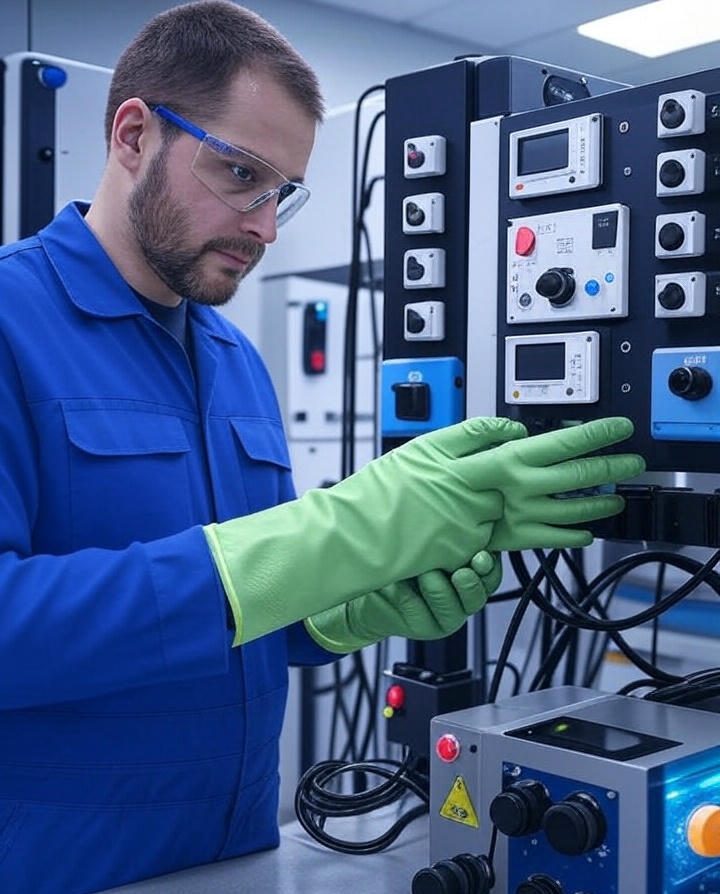
- Always wear safety gear like gloves and shoes
These small steps can prevent major accidents.
Final Thoughts
In manufacturing, machines are important, but the wiring and cabling behind those machines are equally important. They may not be visible, but they carry the power and information that keep everything running. By choosing the right materials, following best practices, and doing regular inspections, manufacturers can ensure better performance, longer machine life, and a safer work environment.
So, the next time you look at a powerful laser machine or a fast-moving production line, remember that good wiring is one of the secrets behind its smooth working.